How to Eat Organic Smartly (Not Expensively)

2026 Organic Shopping Guide: Clean Fifteen + Dirty Dozen

3/19/20263 min read

A Practical, Empowering Guide to the 2026 Clean Fifteen and Dirty Dozen Lists

Showing women how to choose organic strategically to protect blood sugar, hormones, and inflammation without overspending.

Learn where organic matters most, where it doesn’t, and how to use these lists to enjoy food, sweets, and everyday meals with confidence and metabolic ease.

black and white bed linen

Your Practical Shopping Guide

Here is a handy PDF you can download to guide your shopping trips

Dirty Dozen

Clean Fifteen

A Real‑Life Guide to Eating Organic Without Wasting Money

If you’re trying to take care of your blood sugar, hormones, and inflammation, you’ve probably heard that eating organic can help. And it can. But here’s the part no one really says out loud: you don’t need to buy everything organic to protect your health. You just need to know where it matters most.

That’s exactly why the Environmental Working Group (EWG) releases the Clean Fifteen and Dirty Dozen lists every year. They’re simple tools that help you shop smarter, spend intentionally, and avoid unnecessary toxins without blowing your grocery budget.

The 2026 lists are being finalized, but early data shows the same patterns we’ve seen for years. Some foods carry a heavy pesticide load. Others barely have any. Once you understand the difference, grocery shopping becomes a lot less stressful.

Let’s walk through it in a way that supports your overall health and your metabolic goals, without making food feel complicated or restrictive.

What the Dirty Dozen Actually Means

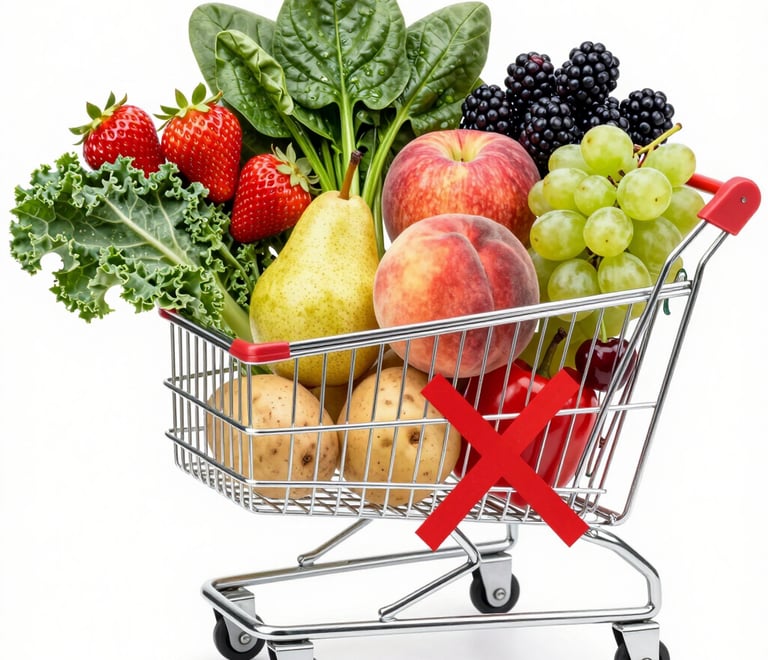
The Dirty Dozen is a list of the twelve fruits and vegetables that tend to have the highest pesticide residues. These are the foods where choosing organic makes the biggest difference for your hormones, inflammation levels, and blood sugar.

Early 2026 testing continues to show high residues on foods like strawberries, spinach, blackberries, apples, and potatoes. Some samples contain dozens of different pesticide traces. That matters because many pesticides act as endocrine disruptors. They can interfere with estrogen, worsen PMS, increase inflammation, and make blood sugar harder to regulate.

When your body is dealing with chemical stressors, it becomes more inflamed and less insulin‑sensitive. Cortisol rises. Cravings get louder. Energy dips. It’s not just about “clean eating.” It’s about reducing the invisible stressors that make your metabolism work harder than it needs to.

So for the Dirty Dozen, organic is worth it.

What the Clean Fifteen Tells You

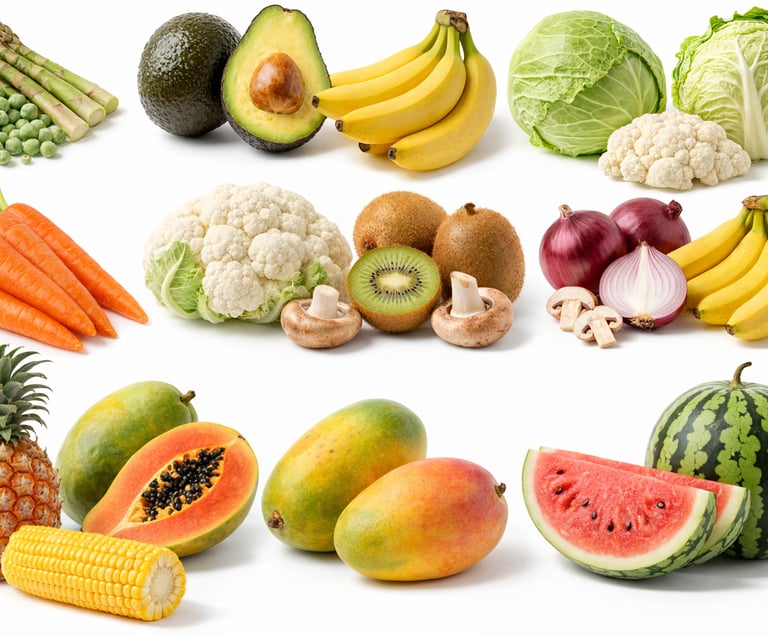
The Clean Fifteen list highlights produce with the lowest pesticide residues. These foods are generally safe to buy conventional, which is a huge relief when you’re trying to eat well without overspending.

Foods like avocados, onions, pineapple, cabbage, and mushrooms consistently show very low contamination. Many have thick skins or natural pest resistance, which means they don’t absorb much even when grown conventionally.

These foods are nutrient‑dense, budget‑friendly, and easy to enjoy without stressing about organic labels. They help you fill your plate with whole foods that support blood sugar stability and hormone balance.

A Smart Organic Strategy for 2026

Here’s the approach I recommend for women who want to feel good, support their metabolism, and still enjoy life and food without guilt.

Choose organic for:

  • Dirty Dozen produce

  • High‑fat animal products like butter, eggs, and dairy

  • Foods you eat every single day

Choose conventional for:

  • Clean Fifteen produce

  • Foods you eat occasionally

  • Items with thick skins or peels

This is how you protect your health without overspending or getting caught in perfectionism.

Why Organic Matters for Blood Sugar and Hormones

Organic food isn’t about perfection. It’s about reducing the chemical load your body has to process. When you lower that load, several things happen:

  • Your insulin sensitivity improves

  • Inflammation decreases

  • Cortisol becomes easier to regulate

  • Cravings calm down

  • PMS and cycle symptoms often improve

  • Your liver can focus on hormone metabolism instead of detoxing pesticides

All of this supports steadier blood sugar and more balanced hormones. And the best part is that you don’t need to overhaul your entire grocery list to see benefits. You just need to prioritize the right foods.

How This Helps You Feel Better

When you reduce pesticide exposure, your body has more capacity for the things that actually matter. You’ll likely notice:

  • More stable energy

  • Fewer blood sugar crashes

  • Less bloating

  • Calmer cravings

  • Better mood and focus

  • More predictable cycles

It’s not magic. It’s simply giving your body fewer stressors to fight against.

The 2026 Dirty Dozen

(Based on early USDA and EWG data)

  1. Apples

  2. Blackberries

  3. Blueberries

  4. Cherries

  5. Grapes

  6. Kale and leafy greens

  7. Nectarines

  8. Peaches

  9. Pears

  10. Potatoes

  11. Spinach

  12. Strawberries

    Bell peppers - used to be on the list for many years.

I will update this list the moment the final version is released.

The 2026 Clean Fifteen

(Expected to remain similar to 2025)

  1. Asparagus

  2. Avocados

  3. Bananas

  4. Cabbage

  5. Carrots

  6. Cauliflower

  7. Frozen peas

  8. Kiwi

  9. Mango

  10. Mushrooms

  11. Onions

  12. Papaya

  13. Pineapple

  14. Sweet corn

  15. Watermelon

These are your safe, budget‑friendly staples.

Eating with the Clean Fifteen and Dirty Dozen in mind makes it so much easier to shop confidently and cut down on unnecessary pesticide exposure. These lists help you decide when organic really matters and when conventional produce is perfectly fine. Keep them handy for your weekly grocery run so you can make simple, informed choices that support your long‑term health.